Odoo ERP for a Medical Supplies Distributor: One Connected Sales Chain Across the Baltic States
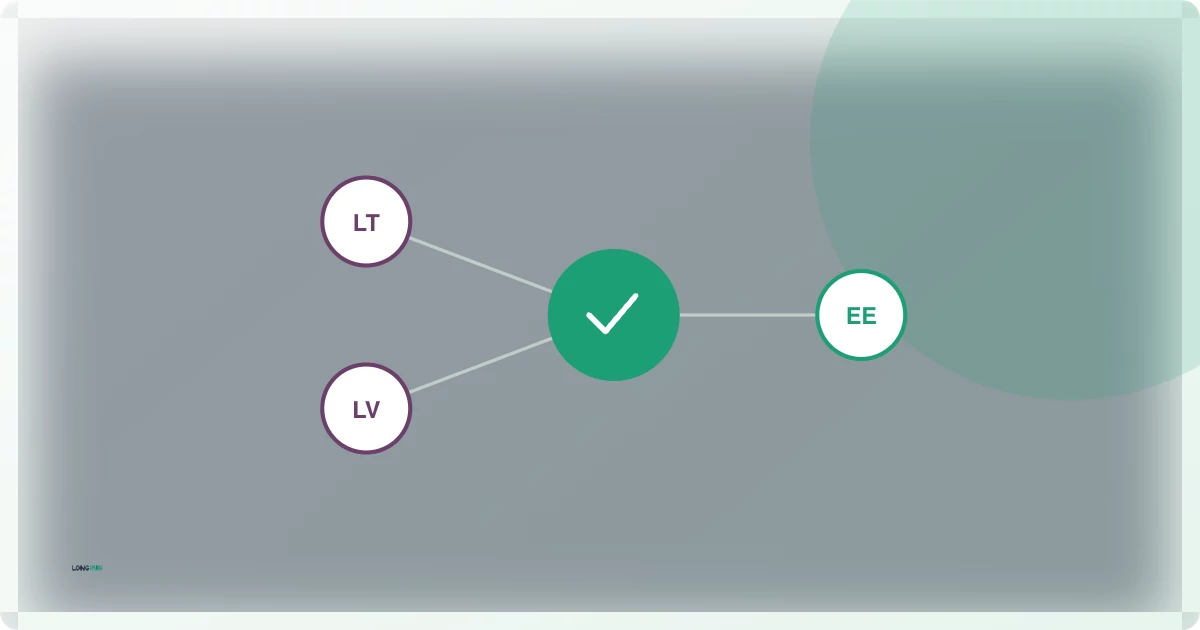
A medical supplies distributor serving hospitals in Lithuania, Latvia and Estonia had outgrown its tools. The business ran on spreadsheets and an aging accounting program. That setup no longer covered the way the company actually worked. It needed one platform that joined sales, purchasing, inventory and invoicing, and that ran cleanly across three markets at the same time.
Challenge
Supplying goods to medical institutions carries strict rules. Every batch has to be traceable. Expiry dates have to be controlled at all times. The paperwork that reaches each hospital has to be in a language that hospital can read. On top of that, goods often ship straight to the end customer rather than passing through a central warehouse. That means stock has to be visible per buyer, not pooled in one general location.
Before the project, all of this was handled by hand across several different places. Errors crept in. Data was entered twice. Tracking real stock levels was hard work and the numbers could not always be trusted. As the company expanded into more countries, it became clear that the business needed a system that would serve buyers to the same standard everywhere in the region. The manual approach could not scale with it.
Solution
We rolled out a single Odoo ERP system for the full sales and supply cycle. We moved the product catalog and the contacts out of the old spreadsheets, classified the categories, set up cost prices and sale prices, and assigned suppliers to each item. Across the whole assortment we turned on batch tracking with expiry date control. At any moment the team can see which product is in stock and how long it stays usable.
We built the chain so the work runs on its own. The moment a sales order is confirmed, the system generates the purchase from the supplier, creates the delivery straight to the customer location, and prepares the invoice. For each buyer we set up a dedicated warehouse. Stock movement is now tracked with real precision against the specific customer it belongs to, not blended into one figure.
Sales and supply documents were prepared in Lithuanian, Latvian and Estonian. Each hospital now receives clean paperwork in its own language with all the required details, such as the institution code and the product expiry term. We also adapted the CRM so new opportunities are created directly from incoming emails, and the movement of demo equipment is tracked easily using tags.
The solution is fully implemented and running in production. During the first live working days we stayed close to the team and adjusted document templates and warehouse operations on the spot, ensuring the system perfectly matches the actual sales workflow.
Result
The distributor dropped its scattered spreadsheets and switched to one system. The full path from quotation to invoice is now covered without anyone retyping data along the way. Expiry dates are tracked accurately for every item. Stock is visible separately for each buyer. Documents are produced automatically in three languages.
The team works live and sends invoices to hospitals straight from the system across the different Baltic markets. What used to be manual reconciliation between disconnected tools is now a single chain that holds together across three countries. The business runs on numbers it can trust, and it serves buyers in Lithuania, Latvia and Estonia to the same standard from one place.
Similar challenges in your company?
Write to us and we will discuss how we can help.