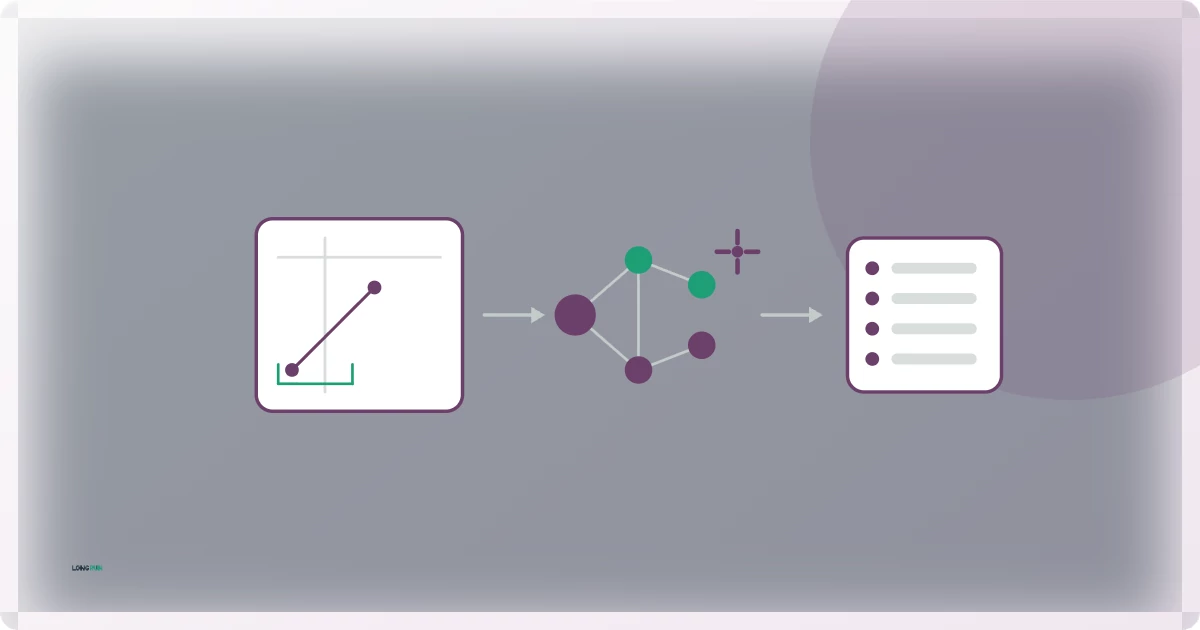
A company that manufactures products from technical drawings received drawing packages every day and had to build each quote by hand. An engineer opened the file, found the positions, wrote down dimensions, picked materials and only then could start pricing. One quote took half a day. We built an AI agent that does this work in a few minutes.
Challenge
Quoting started from the drawing, not from the price. Drawings arrived in different formats, with different markings, sometimes scanned, sometimes as a PDF from design software. A person had to read the drawing, recognize every position, describe it and check the dimensions. Mistakes were inevitable. A missed position or a wrong material meant an incorrect price and either a loss or a lost order.
The core problem was time. While the engineer untangled a drawing, he was not doing what he does best. The company wanted to answer clients faster and take on more inquiries without hiring more people. The routine recognition and description work had to move to artificial intelligence, while the person stayed on the decisions and the price.
Solution
We built an AI agent that works directly with the drawings. We drop a drawing into the agent and it takes over the whole recognition job. The agent reads the drawing, separates the individual positions and prepares a clear description for each one with dimensions and materials. The output is a clean Excel table, ready to work with.
The agent reads both vector PDFs and scanned drawings. It finds dimensions in the drawing fields, ties them to the correct position and recognizes material markings according to the standards the company uses. We built a dictionary of materials and terms so the agent understands the same thing the same way regardless of how it is marked across different drawings. Where data is missing from a drawing, the agent flags it separately, so the person sees right away what needs checking instead of hunting for a hidden mistake.
We load the Excel line list straight into the CRM. After that one step remains. We fill in the prices. The structure, the descriptions and the dimensions are already in place. The automation took over the most tedious and error prone part, and the person makes the pricing decision.
We deployed the agent on the company's real drawings, not on samples. Together with the team we reviewed the results, tuned the recognition rules to their specifics and matched the table format to how the company already works in its CRM. The solution runs in their daily environment and is used on real inquiries.
Result
The path from drawing to a ready line list is now measured in minutes, not hours. The engineer no longer wrestles with manual position entry. He opens the table, reviews it and enters the prices.
Quotes go out faster and more consistently. Because the agent works by the same rules for every drawing, random omissions and uneven descriptions are gone. The client gets an answer sooner, which matters when the order goes to whoever quotes first.
The company can now accept more inquiries without adding people. The same engineer processes more drawings per day and spends time where experience is needed, not on mechanical entry. The AI agent became a real part of the work, not a demo. It is a concrete example of how artificial intelligence and automation change the daily process of a manufacturing company, not just a presentation.
Similar challenges in your company?
Write to us and we will discuss how we can help.